
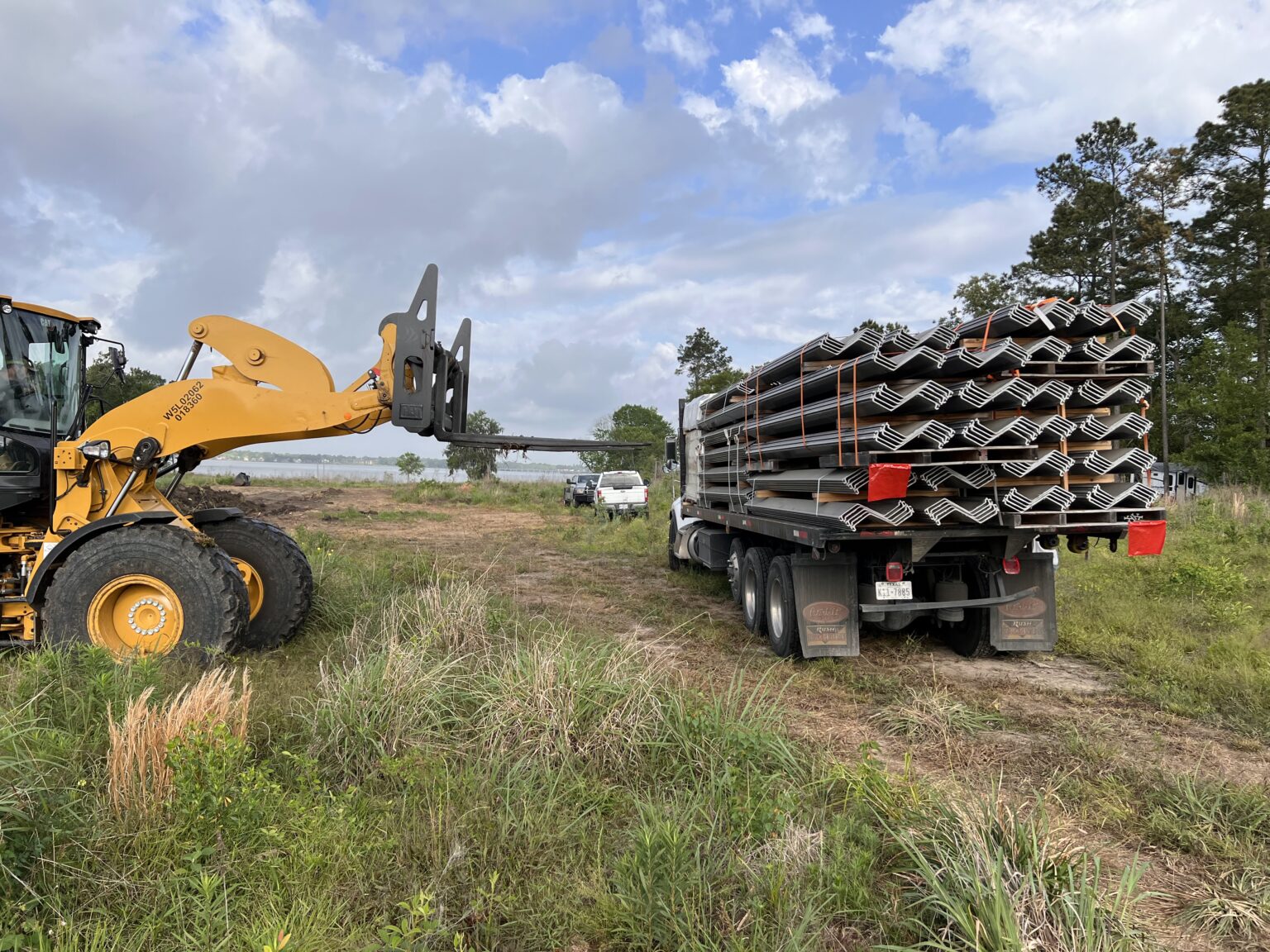
Along the edge of lakes or oceans, homes provide clear sightlines across open water, entry straight onto it, one path leads directly into boating or swimming. Still, settling close to such boundaries introduces distinct difficulties over time. Shifting tides pull soil away, waves rise higher during heavy weather, foundations face pressure without warning. One solution appears through careful construction at the boundary line. Professionals focused on retaining walls bring stability where land meets flow.
Besides shielding the land from water forces, a properly built bulkhead supports lasting property worth through enhanced security and access. When considering either fresh development near shorelines or renewal of worn edges, awareness around how these structures function guides clearer choices.
Understanding Bulkheads and Their Importance?
A wall at the water's edge holds back earth, stopping it from washing away. Built where land meets sea, it keeps the shore steady over time. Resistance against wave motion comes through solid construction materials set firmly in place. Weather shifts and tidal forces meet firm opposition here. Stability emerges where soil would otherwise slip into the water. Long-term positioning prevents gradual loss of ground near open water.
Over time, unprotected edges may lose ground to natural wear, undermining gardens and shrinking open areas near water. A well-built retaining wall preserves stability along the edge, shaping a tidier, more practical boundary where land meets water.
The Advantages of Using Expert Bulkhead Constructors
Shoreline Protection
Water movement often erodes shoreline soil. Homeowners choose bulkheads mainly to reduce such gradual loss. Over years, waves break down unprotected land edges. When built correctly, these structures limit further deterioration.
Increased Property Value
Most homes near water carry higher value. Because of added defense, a strong retaining wall boosts interest, which increases appeal for potential purchasers later.
Improved Waterfront Access
A lot of waterfront owners pair bulkheads with custom boat docks, so they can get easier access for boating and fishing and other recreation stuff. It kind of makes sense, you know, since it keeps things convenient along the shoreline and it works out for a variety of activities.
Long-Term Cost Savings
Early attention to shoreline erosion avoids costlier fixes down the line. When structures are built well, expenses tend to drop over time. Property durability begins long before damage appears.
Selecting a Suitable Bulkhead Builder
Waterfront initiatives differ in fundamental ways. Depending on the site, factors like soil composition shape what is possible. Depth of adjacent waters plays a role in structural choices. Wave intensity must be accounted for during planning stages. Local rules also set boundaries around feasible solutions.
- A Qualified Bulkhead Contractor Should
- Understand local environmental regulations
- Have experience with waterfront construction
- Provide detailed project planning
- Use durable, high-quality materials
Provide examples of work completed in earlier assignments
A well-built structure often begins with guidance from a professional Bulkhead builder who knows the process thoroughly. Years of performance can depend on choices made early in construction.
Bulkheads and Custom Boat Docks Together
Besides offering structure, bulkheads often appear alongside docks on private shores. When placed in tandem, they shape a more efficient waterfront layout while altering visual appeal.
Integrated Design Advantages
Better Accessibility
Water access comes through a boat dock, whereas protection for the shoreline is handled by the bulkhead.
Enhanced Property Appearance
A unified layout brings refinement to the shoreline appearance, enhancing the site. Smooth integration of elements shapes an elegant edge along the water, matching the estate's character. Careful alignment across features adds quiet sophistication near the bank, fitting the land’s tone.
Increased Recreational Opportunities
A dock opens access to activities like casting lines or piloting small craft. Waterfront moments grow richer when seated near gentle ripples. Enjoyment shifts, shaped by simple structures extending into the lake. Moments slow down where wood meets waves.
Apart from crafting boat houses, experts commonly collaborate with Bulkhead builders, forming customized shoreline setups based on client requirements. While one team shapes sheltered docks, another reinforces retaining walls - each detail adjusted through joint planning. Where water meets land, integration matters most, yet precision comes first during execution. Though separate trades, their combined effort results in unified outcomes across coastal properties.
Materials Used in Bulkhead Construction
Depending on location specifics and financial limits, various substances appear frequently. Though choices shift with circumstances, certain options remain typical across projects.
Vinyl
Resistant to corrosion, vinyl demands little upkeep. Maintenance becomes rare thanks to its durable surface.
Timber
Apart from its classic look, wood sometimes proves economical depending on how it is used.
Concrete
Concrete bulkheads provide exceptional strength and longevity.
Steel
Where strength matters most, steel appears frequently near water. Though other materials exist, durability keeps this metal in demand. Because environments can be harsh, resistance becomes essential. When structures face constant exposure, few alternatives perform alike.
Depending on the surroundings, what needs achieving, alongside how much upkeep one prefers - material choice shifts accordingly.
Common Bulkhead Issues Homeowners Face
Over years, even solid constructions may develop problems.
Erosion Behind the Bulkhead
Water might gather behind the building if runoff has no exit. This pooling often leads to erosion over time. Without proper flow control, earth near the base can slowly wash away. The absence of directed discharge paths increases pressure on foundational areas. Gradual displacement of ground material becomes likely when liquid lingers too long.
Material Deterioration
Over time, contact with moisture may influence some substances. When rain reaches them, particular components might change slowly. Wet conditions could alter specific items after long periods. Repeated dampness has the potential to modify select matter. Weather elements sometimes impact chosen kinds of material.
Conclusion
A properly designed bulkhead is one of the most important investments a waterfront property owner can make, honestly. Experienced Bulkhead builders help protect the shore, prevent erosion, and boost the long term value of waterfront land. Whether you’re planning a new shoreline protection system or collaborating with Boat house builders, or even installing a custom boat dock, choosing a skilled bulkhead contractor means your project is built to handle the usual issues of the waterfront environment, not just “look good” at first.
FAQs
1. How long does a bulkhead typically last?
Years of service rely heavily upon what they are made from along with upkeep routines. When properly cared for, vinyl models tend to endure many years; similarly, those built from concrete show long-term resilience.
2. Can a bulkhead increase property value?
True. When shorelines are safeguarded, waterfront usefulness tends to rise - this frequently makes properties more desirable. Value often follows such changes.
3. Do I need permits for bulkhead construction?
Frequently, approvals are needed for developments near water. Depending on the area and size of work, rules differ.
4. Is it possible to attach personalized docking areas onto a current seawall structure?
Indeed. Numerous shoreline homes manage to attach modern docks to older seawalls without issue. Yet compatibility depends on structural alignment and material condition. While some adjustments are necessary, others fit seamlessly. Where reinforcement is needed, modifications follow engineering standards. Otherwise, integration proceeds as planned. Even aged bulkheads sometimes accept dock additions smoothly.