
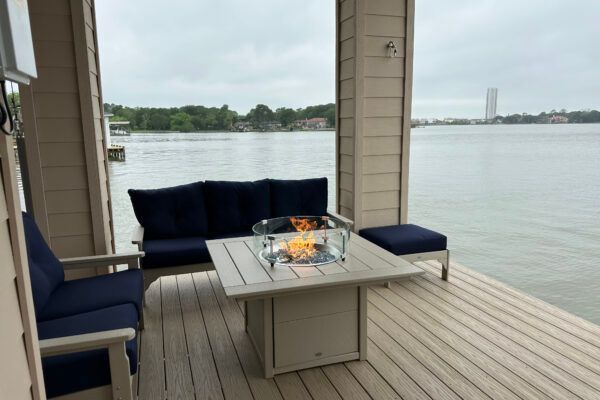
A waterfront property gives homeowners opportunities that ordinary properties simply cannot offer. Whether you want a place to fish, relax by the water, access your boat, or create a complete recreational area, a well-designed pier can make the shoreline much more useful. However, building one requires more than choosing a decking material and deciding where the structure should go. The foundation, water conditions, layout, and long-term durability all need to be considered.
For homeowners planning a waterfront project, choosing an experienced Pier Builder is one of the most important decisions to make. A professional contractor can help turn an idea into a practical structure designed around the property's specific conditions.
Understand Your Waterfront Property First
Before construction starts, the site needs to be evaluated. Waterfront properties around Houston can have different soil conditions, water depths, shorelines, and exposure to wind and changing water levels.
These factors can affect how a pier should be designed and supported. A structure that works on one property may not be appropriate for another. A professional site assessment helps identify potential challenges before they become construction problems.
The shoreline should also be considered alongside the planned location of the pier. If erosion or unstable soil is already affecting the property, those issues may need attention before or alongside pier construction.
Determine How You Will Use the Pier
The purpose of the pier should guide its design. A homeowner interested in fishing may need a different layout than someone who primarily wants boat access or an outdoor entertaining space.
Some piers are relatively simple structures that provide direct access to the water. Others can include larger platforms, seating areas, lighting, boat access, or connections to docks and boat houses.
Thinking about future needs is useful as well. If you may eventually add a boat lift or expand your dock, it makes sense to discuss those plans with your contractor before installation begins.
Focus on the Foundation and Pilings
The foundation is one of the most important parts of any waterfront structure. While the decking and finished appearance are easy to see, the support system underneath determines much of the pier's stability.
Pilings are commonly used to support fixed piers. Their size, spacing, material, and installation depth depend on the project's design and site conditions. Proper pile driving requires specialized equipment and experience because the supporting structure must perform under changing environmental conditions.
An experienced Pier Builder will consider the foundation requirements during the planning stage instead of treating them as an afterthought.
Choose Materials Designed for Waterfront Use
Waterfront structures are continuously exposed to moisture, sunlight, weather, and changing environmental conditions. Choosing suitable materials can make a significant difference in the long-term performance of the pier.
Wood remains a popular option for many waterfront projects, while composite decking can provide another alternative depending on the project's requirements. Structural components and hardware should also be selected with the surrounding environment in mind.
Your contractor can explain the advantages and limitations of different materials and recommend options based on the property's location, intended use, and budget.
Consider a Custom Pier Design
A standard pier design may not work for every waterfront property. Custom construction gives homeowners more flexibility to work around existing landscaping, shoreline shape, water depth, and access requirements.
A custom pier can also be designed to match the way the property is actually used. For example, a homeowner may want a wider section at the end for fishing or entertaining, while another property may require a specific layout for boat access.
The goal of custom construction isn't simply to make the pier look different. It is to make the structure more practical for the property and the people using it.
Think Beyond the Pier
A pier may be only one component of a larger waterfront improvement project. Many Houston-area property owners also consider custom boat docks, boat houses, boat lifts, and shoreline improvements.
Planning these features together can prevent conflicts later. For example, the position of a pier may affect where a boat lift can be installed. Similarly, a future boat house may require additional structural support or a different layout.
Discussing the entire waterfront plan with your contractor at the beginning can help create a more functional result.
What to Look for in a Pier Builder
Choosing the right contractor requires more than comparing estimates. Look for experience with marine construction and projects similar to yours.
Ask about the contractor's experience with piling installation, pier construction, waterfront conditions, materials, and project planning. You should also understand what is included in the proposal and whether permitting or other project requirements are addressed.
Communication matters too. A good contractor should be willing to explain the proposed design and answer questions about materials, installation, maintenance, and expected project timelines.
Choosing an experienced local contractor can also be beneficial because they are more familiar with the types of waterfront conditions commonly encountered in the Houston area.
Maintenance Should Be Part of the Plan
A properly constructed pier still needs attention after installation. Regular inspections can help identify damaged decking, loose connections, corrosion, movement, or other issues.
After severe weather, it is especially useful to check the structure for visible changes or damage. Catching a small problem early can make repairs easier and potentially prevent more serious deterioration.
Homeowners should also pay attention to changes around the shoreline. Erosion, shifting soil, or drainage problems can affect the surrounding waterfront and eventually place additional stress on structures.
Build Your Waterfront Project With Confidence
A pier can become one of the most valuable and enjoyable features of a waterfront property. But its success depends on careful planning, suitable materials, proper foundation support, and professional installation.
For Houston homeowners, Dream Boat Docks provides waterfront construction services including piers, custom boat docks, boat houses, pilings, and other marine construction solutions. Working with an experienced contractor can help ensure that the project is designed around the property rather than relying on a generic approach.
Before starting construction, take time to understand your goals and the conditions of your waterfront property Houston. With the right planning and the right Pier Builder, you can create a durable structure that adds functionality and enjoyment to your property for years to come.
Frequently Asked Questions
What should I consider before building a pier?
Consider the purpose of the pier, shoreline conditions, water depth, foundation requirements, materials, access, budget, and any applicable permitting requirements.
How important are pilings for a fixed pier?
Pilings provide essential structural support for many fixed piers. Their installation should be planned according to site conditions and the design of the structure.
Can I customize the design of my pier?
Yes. Custom pier designs can be developed around your property's shoreline, water access, intended use, and future waterfront plans.
Can a pier connect to a boat dock?
In many projects, piers and docks can be designed together to create a more functional waterfront area. The layout should be planned before construction begins.
How often should a waterfront pier be inspected?
Regular visual inspections are recommended, particularly after severe weather. Professional inspections can also help identify structural or material issues that may not be immediately visible.